How Cold Weather Affects Exterior Paint
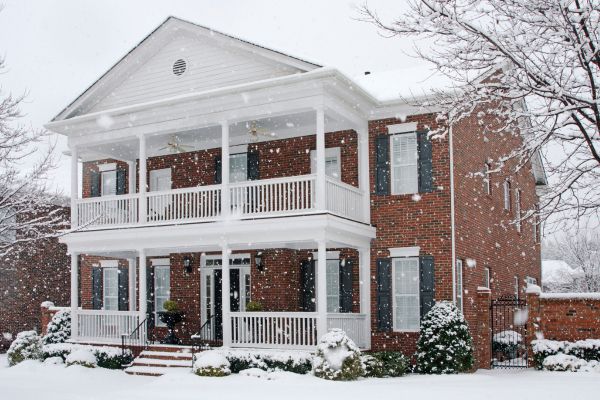
Paint doesn’t perform well when temperatures drop too low. Most water-based exterior paints require temperatures above 50°F during application and for several hours afterward. When temperatures fall below freezing at night, it can cause:
- Poor adhesion to surfaces
- Bubbling, cracking, or peeling
- Uneven color or finish
- Delays in curing and drying
These issues compromise the durability and appearance of your paint job. For a successful project, it’s critical to understand your product’s temperature requirements.
Learn more about our Exterior Painting Services in Wisconsin to see how we handle cold-weather conditions.
Is It Ever Safe to Paint Below Freezing?
Painting outside when nighttime temperatures fall below 32°F is generally not recommended, unless you’re using specialty products designed for cold weather. Even then, timing and preparation are crucial.
Key Considerations:
- Daytime temperatures should stay above 35°F to 50°F for at least four hours after painting.
- Nighttime lows should remain above freezing for at least 48 hours after application.
- Moisture and frost on surfaces can cause paint failure even if the temperature rises during the day.
Check out this detailed guide from Benjamin Moore on exterior painting for professional cold-weather application strategies.
What Paints Work in Colder Temperatures?
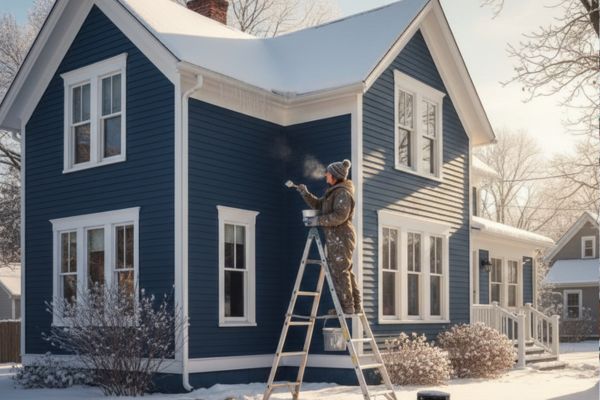
Some manufacturers offer cold-weather paints that can be applied in lower temperatures, typically down to 35°F. These include:
- Sherwin-Williams Resilience Exterior Acrylic Latex
- Benjamin Moore Aura Exterior Paint
- Behr Premium Plus Ultra Exterior Paint
These paints contain additives that improve performance in cooler conditions. Still, they require proper application timing and surface preparation.
For product specs and temperature guidelines, visit the Sherwin-Williams Resilience Paint page.
Best Time to Paint Outdoors in Wisconsin
Wisconsin’s weather can be unpredictable, but here’s a general seasonal breakdown:
- May to early October: Ideal for exterior painting.
- Late October to April: Riskier due to cold nights and moisture.
At Knockout Painting, we typically schedule exterior projects during late spring through early fall to ensure proper drying and curing.
Looking for other seasonal services? Explore our Interior Painting Services for winter-friendly home updates.
Tips for Painting in Cold Weather from Knockout Painting
With years of experience in Wisconsin’s climate, Knockout Painting follows strict protocols to ensure quality during colder months. Here’s how we approach it:
1. Monitoring Weather Closely
We track daytime highs and nighttime lows, making sure temperatures won’t dip below freezing for at least 48 hours post-application.
2. Using Low-Temp Paints
We select paints formulated to perform in cooler temperatures to reduce the risk of failure.
3. Timing the Application
We apply paint during the warmest part of the day, typically late morning to mid-afternoon, allowing enough daylight for drying.
4. Preparing the Surface
Cold weather increases the risk of surface moisture. We ensure all surfaces are clean, dry, and frost-free before painting.
5. Avoiding Marginal Conditions
If conditions don’t meet standards, we reschedule. We won’t compromise on quality for the sake of timing.
Risks of Painting When It’s Too Cold
Attempting to paint in freezing temperatures can lead to:
- Blistering or flaking paint
- Streaky or dull finishes
- Reduced paint lifespan
- The need for an early repaint
Skipping proper planning can end up costing more in the long run.
Local Expertise You Can Trust
As a trusted painting contractor in Green Bay, Appleton, and throughout Northeast Wisconsin, Knockout Painting is committed to doing the job right the first time.
Read reviews or learn more about our company on our About Us page, and see how our professional approach sets us apart.
Frequently Asked Questions
Can I use a space heater to warm the area when painting outside?
While it might help in enclosed spaces, it’s not effective or safe for large outdoor areas. Surface and air temperatures still matter.
What happens if it freezes the night after I paint?
The paint may not cure correctly, which can lead to peeling, cracking, or flaking. It’s best to avoid painting if freezing is in the forecast.
Is there a paint that works below 32°F?
Currently, most cold-weather paints are only rated down to about 35°F. Painting below that threshold isn’t advisable.
Should I paint in the sun during winter?
Yes. Direct sunlight helps warm surfaces and speeds up drying. However, timing and surface temp are still key factors.
Final Takeaway: Plan Your Project with Confidence
So, can you paint outside if it gets below freezing at night? In most cases, it’s best to wait. Cold nights can sabotage even the best paint and prep work. With the right materials and timing, it’s possible—but not ideal especially in Wisconsin.
The safest approach? Work with a professional team like Knockout Painting that understands how to navigate seasonal challenges.
Request Your Free Quote Today
Don’t let the weather ruin your next paint job. Contact Knockout Painting today for expert advice and a free, no-obligation quote. Our team will assess the conditions, recommend the best time to paint, and ensure long-lasting results for your home.
Visit our Contact Page to get started or call us directly.