Understanding the Two Primary Exterior Painting Methods
How Spraying Works
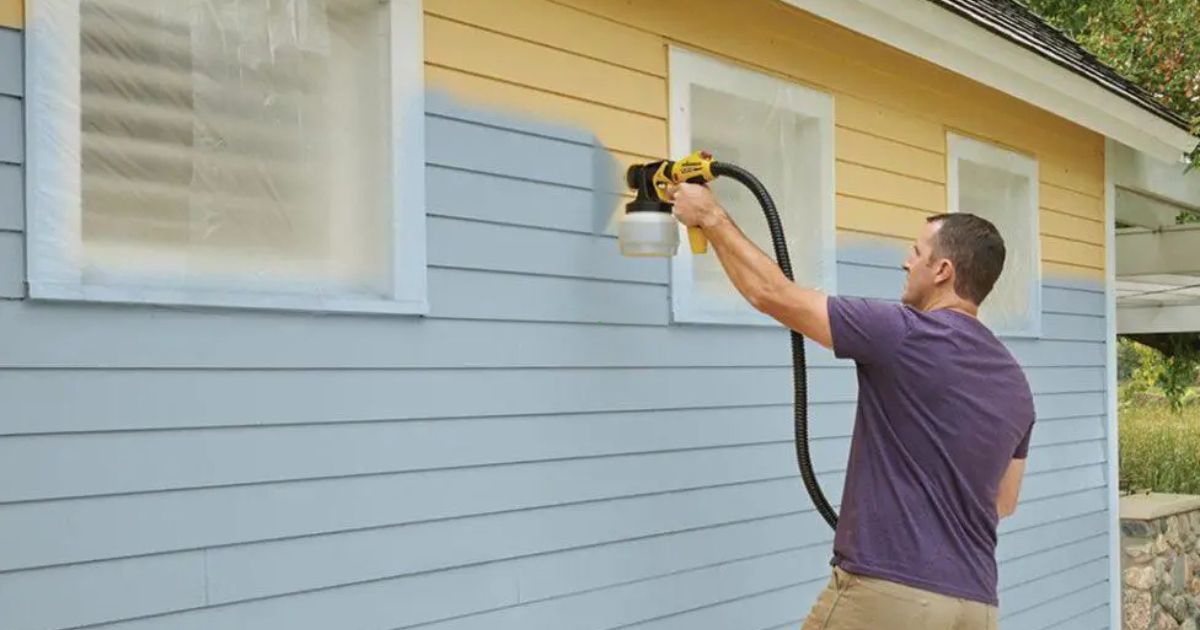
Spray painting uses specialized equipment that turns paint into a fine mist. The paint is then applied quickly over large areas. This method offers a smooth finish and can cover flat surfaces rapidly, but it requires significant preparation to protect nearby surfaces from overspray. Professional experience is key for even coverage.
Learn more about spray painting techniques
How Rolling Works
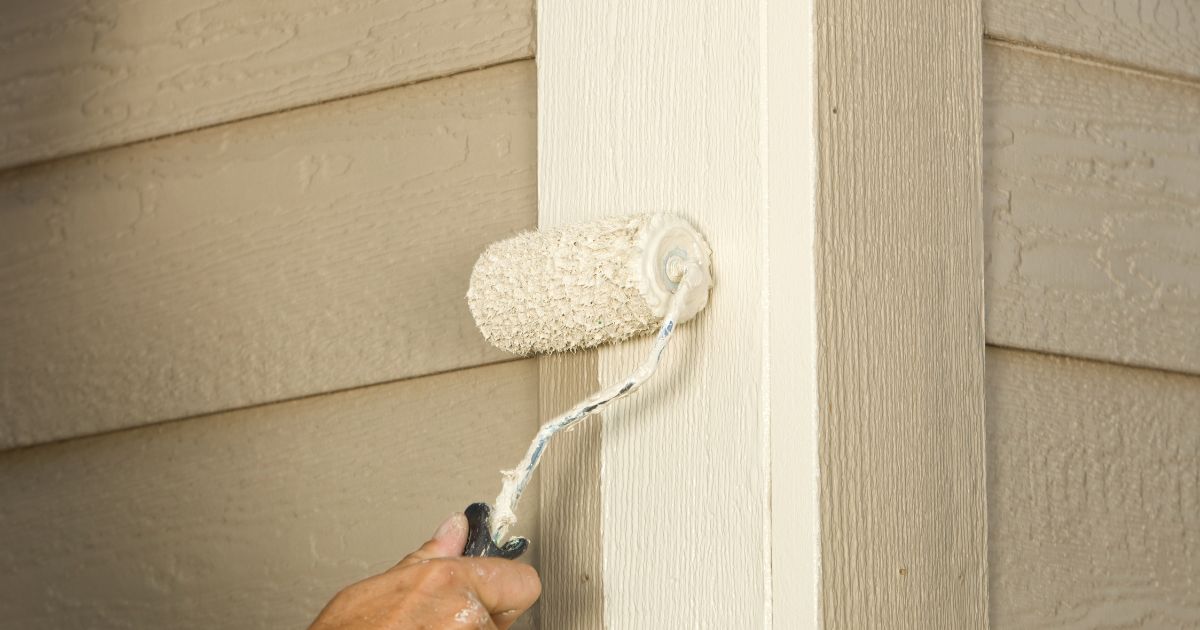
Rolling uses a traditional paint roller and tray, allowing the painter to work the paint into the surface. This method provides greater control, especially on textured or porous surfaces, and usually results in a thicker paint layer, which can be more durable over time.
Pros and Cons of Spraying vs. Rolling Exterior Paint
Efficiency and Coverage
Spraying:
- Pros: Ideal for large, flat surfaces. Speeds up project completion.
- Cons: Requires extensive masking and can result in overspray.
Rolling:
- Pros: More controlled application. Suitable for tight areas with minimal cleanup.
- Cons: More labor-intensive and slower on large surfaces.
Adhesion and Finish
Spraying:
- Pros: Provides a smooth, uniform look with no roller marks.
- Cons: May apply thinner layers, which can affect long-term durability.
Rolling:
- Pros: Presses paint into textured surfaces, improving adhesion.
- Cons: Can leave roller marks if technique is inconsistent.
Paint Waste and Cost
Spraying:
- Pros: Effective for large projects, potentially saving time.
- Cons: Paint loss due to overspray can increase material costs.
Rolling:
- Pros: Minimizes paint waste. More paint goes directly onto the surface.
- Cons: Longer labor time may increase overall project cost.
Suitability for Different Surfaces
Spraying:
- Pros: Works well on flat, smooth surfaces such as new siding.
- Cons: Less effective on rough surfaces unless combined with back-rolling.
Rolling:
- Pros: Best for textured or older surfaces where paint needs to get into crevices.
- Cons: May not provide the same even finish on smooth siding.
How Wisconsin Weather Affects Painting Methods
What Works Best in Windy or Humid Conditions
Wisconsin weather is unpredictable. High winds can carry spray paint away from the surface, creating a mess and wasting materials. Humid conditions can extend drying times, which affects the finish.
In such cases, rolling is usually the better option. It provides more control, keeps the paint where it belongs, and performs better when humidity or wind is a concern.
Seasonal Considerations for Exterior Projects
The ideal time to paint in Wisconsin is late spring through early fall. Temperatures are moderate, and humidity levels are more stable during these months. Avoid painting in extreme heat, cold, or when rain is in the forecast. These conditions can cause bubbling, peeling, or uneven drying.
Explore Benjamin Moore’s Temperature Guide
When to Spray, Roll, or Use Both Methods
New Builds and Large Surfaces
Spraying is often the preferred method for new construction or large, flat surfaces like modern siding. It covers a lot of area quickly and gives a consistent look.
Repaints and Textured Exteriors
Rolling is better suited for repainting older homes or those with textured finishes. It allows the paint to reach deep into the surface and provides better adhesion.
Combining Techniques for Professional Results
Many painting professionals use a combination of both methods. They spray the main surface and then use a roller to press the paint into the texture, a technique known as back-rolling. This method provides a smooth finish with strong adhesion and durability.
Why Choose Knockout Painting Services for Exterior Painting Projects
Experience with Wisconsin Homes
Knockout Painting Services has worked on a variety of home styles across the state, from Milwaukee to Madison and throughout the suburbs. We understand how to adapt to Wisconsin’s weather and the unique challenges each property presents.
Commitment to Proper Technique
We focus on thorough preparation and high-quality application. Whether we spray, roll, or combine both methods, our goal is always the same: a beautiful and long-lasting finish.
Smart Scheduling and Weather Consideration
Our team carefully schedules each project to take full advantage of Wisconsin’s limited painting season. We monitor weather forecasts and plan accordingly to avoid delays and ensure durability.
Visit Knockout Painting Services to learn more about our approach.
FAQs About Exterior Painting Methods
Is one method more durable than the other?
Durability depends more on the preparation and paint quality than the method itself. That said, rolling can improve durability on textured surfaces due to better penetration and adhesion.
Which method is more cost-effective?
Spraying can save time but may use more paint. Rolling uses paint more efficiently but takes longer. The best choice depends on the size and complexity of the project.
Can I spray and roll my house myself?
It’s possible, but not recommended unless you have the right equipment and experience. A professional team like Knockout Painting Services can ensure a smooth, long-lasting result with less stress and better efficiency.
Final Thoughts: Which Method Is Right for You?
Choosing between spraying and rolling for your exterior paint job depends on your home’s surface type, the size of the project, and the weather. Both methods offer benefits, and in many cases, combining them provides the best results.
If you’re unsure, the experts at Knockout Painting Services are here to help. We’ll guide you through the process and deliver a finish that not only looks great but also stands up to Wisconsin’s climate.
Ready to get started? Contact Knockout Painting Services today for a free consultation.
Serving Madison, Milwaukee, Waukesha, Green Bay, and other Wisconsin communities.